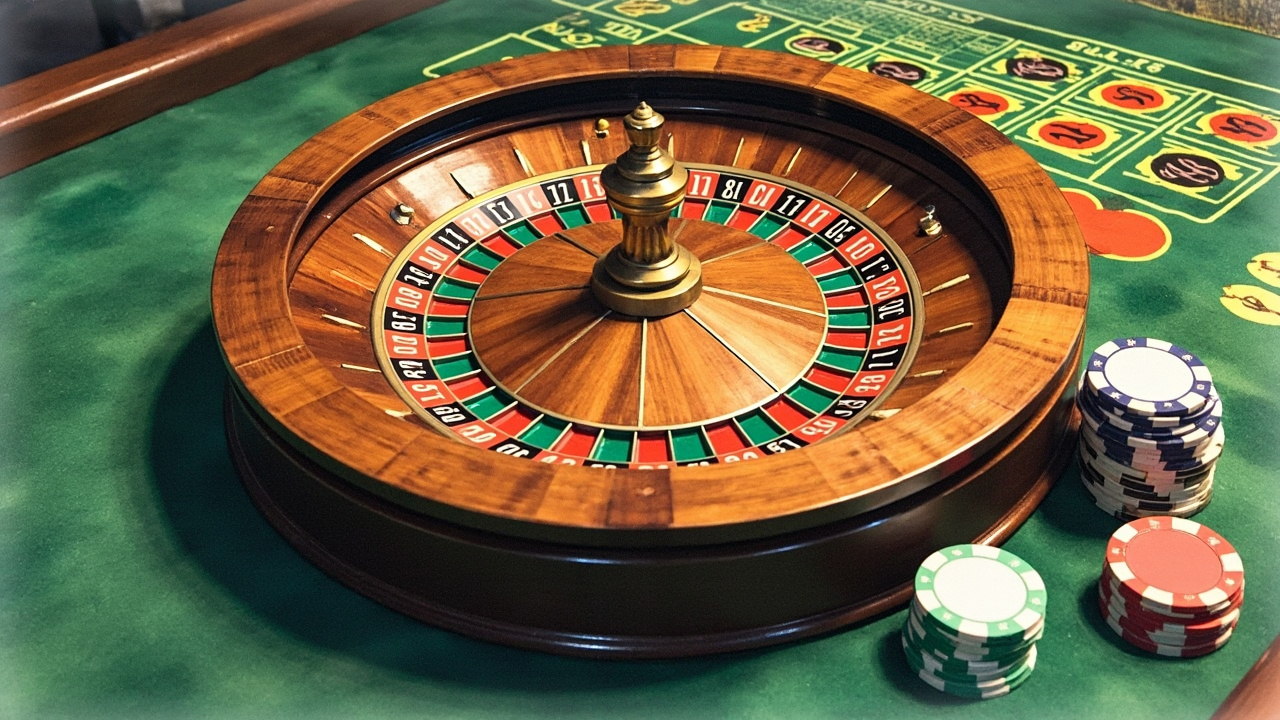
The wheel speaks a different language when you sit down to play, and that difference matters more than most locals realise. French roulette rules lean on a smaller felt layout, a single zero and a couple of named call bets that change how the maths sits on your shoulder. For anyone used to the faster, busier American or European layouts down the pub or at a local club, the pace and the payout logic feel deliberately calmer. That is the point, not a flaw. Below I break down how the table actually runs, where the edge shifts, and who should spend an arvo learning the calls before chasing a bonus.
How The Table Actually Runs
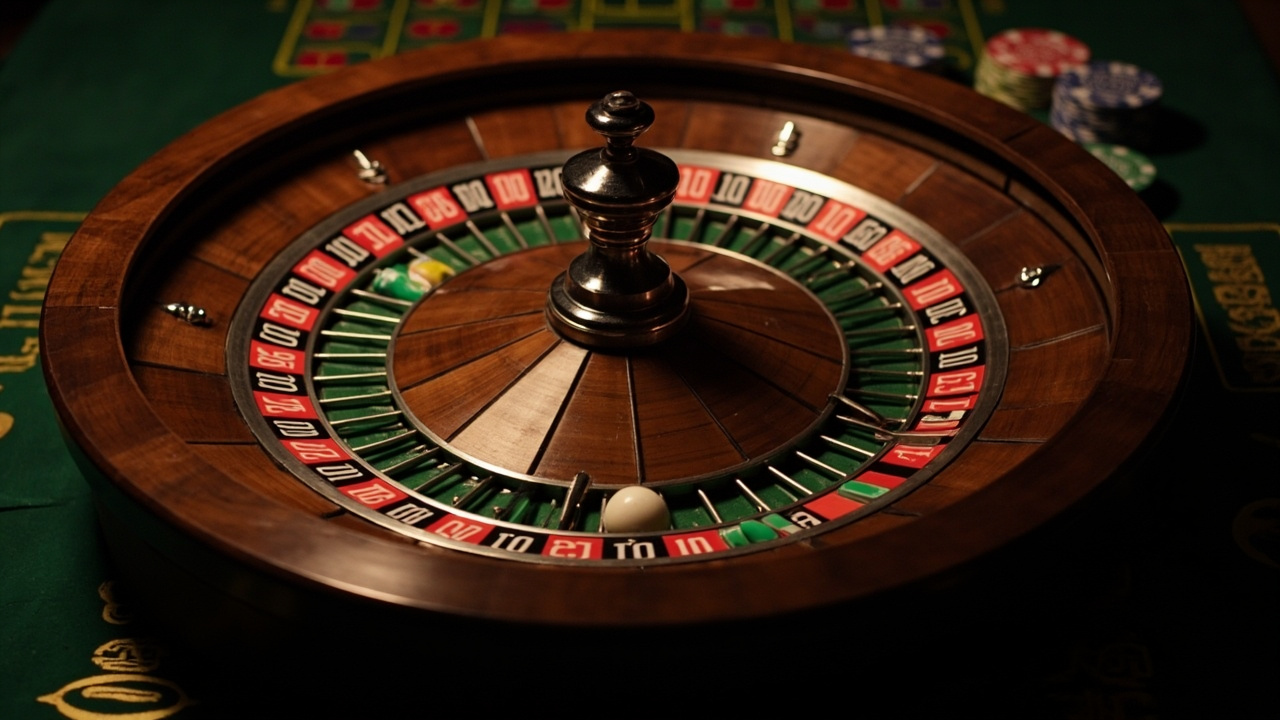
The first thing you notice is the layout itself, because it is not just a cosmetic choice. A proper French table prints the numbers in a single long column on the outer band, with the zero sitting alone at one end and the red and black pockets arranged in the familiar alternating pattern. The betting area inside the layout is tighter than what you often see on European boards, and that tighter footprint is what lets the special call bets live without cluttering the felt.
The core bets are the same as any single-zero wheel: straight-up on a single number, splits, streets, corners, lines and the outside even-money options. What changes is how the table treats you when the ball lands on zero. The two named side bets, la partage and en prison, are written into the rules here rather than left to the dealer’s mood or the casino’s house special. When you place an even-money stake and the zero hits, la partage returns half your wager immediately, while en prison holds the full bet for the next spin instead of handing it back right away. Both options cut the usual single-zero disadvantage on those outside bets in half, which is a real mathematical shift, not a marketing line.
I have built paytables for skill-based tabletop concepts where the whole design goal was to keep the house edge honest while still giving players a reason to stay past the first session. French roulette rules work on the same principle: the edge is still there, but the table gives you a structured way to soften it on specific bets rather than pretending it does not exist.
Call Bets And Where The Edge Sits
The call bets, sometimes called announced bets, are where the French table earns its reputation for being a bit more conversational than the rest. You are not just dropping chips on a printed square; you are telling the dealer which combination you want, and the dealer places the cover on the layout for you. The classics are voisins du zéro, which covers a stretch of seventeen numbers around the zero pocket, and le tiers du cylindre, which takes a thirty-two-number slice on the opposite side of the wheel. There is also the orphelins set, which grabs the numbers that fall outside both of those covers, and a full complete or full maximum bet that builds a cube of chips around a single number for full coverage across all the standard bet types on that number. https://gargopermits.com
From a modelling standpoint, the interesting part is that these call bets do not magically change the underlying probability of any single pocket. What they do is change how your stake is distributed across the layout, which changes the volatility of your session. A voisins du zéro cover lands more often than a straight-up bet, but it pays smaller amounts more frequently, which is a different ride than chasing a single number and waiting through long dry spells. That matters if you are the sort of player who wants a steadier rhythm rather than a boom-or-bust evening.
I have seen a lot of players treat call bets like a secret system, which they are not. They are a layout choice, and a deliberate one. If you want a session that feels more like managed coverage than a scattergun approach, the French table gives you that without inventing fake promises about beating the wheel. That is the honest comparison: the table is built around structure and named covers, not around pretending the maths has been rewritten.
A quick reference helps when you are comparing how those covers actually sit on the felt.
Bet type | Numbers covered | Typical payout | Edge note on even-money options
Straight-up | 1 | 35 to 1 | Single-zero base edge applies
Split | 2 | 17 to 1 | Single-zero base edge applies
Street | 3 | 11 to 1 | Single-zero base edge applies
Corner | 4 | 8 to 1 | Single-zero base edge applies
Voisins du zéro | 17 | Mixed, usually 17 to 1 on the key hits | Cover bet, not an edge fix
Tiers du cylindre | 32 | Mixed, usually 17 to 1 on the key hits | Cover bet, not an edge fix
La partage / en prison | Even-money outside bets | Half return or held for next spin | Reduces even-money disadvantage on zero
That table is not a promise of profit, and it is not a substitute for knowing the layout before you put chips down. It is just a way to see why the French table feels different once you have spent a few spins reading the felt instead of just tossing chips at random spots.
Who This Table Fits Best
This is the sort of table that suits players who like to think a little before each spin rather than just feeding the wheel and watching. If you enjoy learning a named cover, understanding why la partage matters on even-money bets, and playing at a pace that leaves room to actually notice what the layout is doing, French roulette rules have a genuine fit. If you want non-stop action with a busier layout and a faster rhythm, you may find the single-zero table a touch too measured for your taste, and that is a fair call too.
The local angle is worth keeping in mind. In the United States, the double-zero wheel is still the default in many rooms, which pushes the base edge higher on every bet type and changes the whole feel of the session. In parts of Europe and the UK, the single-zero table is far more common, and that is closer to what the French layout grows out of. Here in Australia, you are more likely to see European-style single-zero tables than a true French board in most venues, so if you want the call bets and the named even-money protections as they were designed, you are often chasing a specific table rather than just any roulette room. That is not a problem, but it is a detail worth knowing before you head out on a Tuesday arvo expecting the full French setup.
Payments, registration and the rest of the operator side matter too, but they are not the reason the table earns its name. A decent operator will let you play in the currency you are actually using, keep the registration process straightforward, and make the mobile view readable without turning the felt into a postage stamp. Support should be available when a bet is disputed, because a call bet placed incorrectly is the kind of thing you want sorted quickly rather than left to drift. Loyalty and recurring promos can be useful if they are real and repeatable, not just a one-off welcome splash, because the point of learning French roulette rules is to have a table you can come back to, not a novelty you burn through once.
The honest takeaway is simple. French roulette rules reward players who care about the layout, the named covers and the way the zero is treated on even-money bets. If that sounds like your style, the table has a real reason to hold your attention past the first welcome offer. If you just want the fastest possible spin cycle, there are other boards that fit that mood better, and no amount of clever formatting changes that.